Cornell University

Center for Regional Economic Advancement

We support and empower people to start and grow new ventures

February 25, 2026

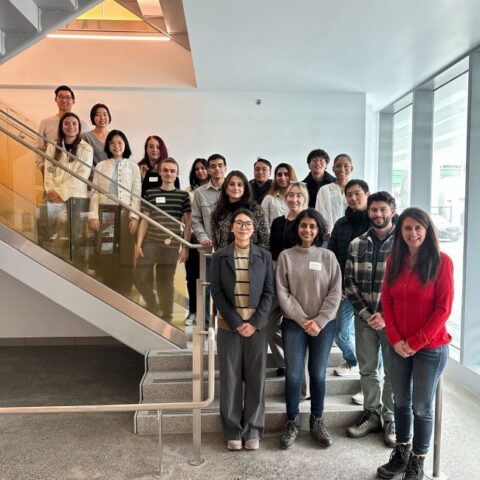
The Introduction to Entrepreneurship program, formerly known as W.E. Cornell, teaches doctoral students and postdocs how to translate their research into real-world solutions while navigating the challenges of leading a technology-based venture. Designed for STEM innovators, the program blends a proven entrepreneurship curriculum with leadership development and a strong emphasis on empowerment. This year’s program will take place across two full-day, on-campus workshops. Workshop 1 (January, 9 a.m.–5 p.m.) will focus on entrepreneurial skill-building and fostering community within the cohort. Workshop 2 (February, 9 a.m.–4 p.m.) will guide participants through fundraising, operations, and preparing for next steps in their commercialization journey. Participants come to the program eager to connect their science with real-world impact. Savita Sastry, a Ph.D. student studying molecular nutrition, shared: “I’m at a point where I want to explore how these ideas could evolve into tangible solutions, and I believe this program offers the structure, mentorship, and community to help me take that first step. Beyond gaining entrepreneurial skills, I’m eager to bring my own creative energy, interdisciplinary perspective, and collaborative spirit to the cohort.” For many, the program also offers a chance to build readiness for the next stage of their careers. Sandy Xie, a Ph.D. student studying City and Regional Planning, noted: “This program represents a valuable opportunity to gain practical skills in innovation, leadership, and commercialization. As I will graduate in May 2026, the insights and experience from this program will immediately strengthen my professional readiness and support my future career development.” Following the two workshops, selected participants will also have the opportunity to pitch virtually to the advisory board for the program. Meet the 2026 Introduction to Entrepreneurship Cohort: Alishahi, Mohsen – Fiber Science, Ph.D. ’27 Antoniades, William – Biochemistry, Molecular, and Cellular Biology, Ph.D. ’29 Bansal, Udita – Ecology & Evolutionary Biology, Ph.D. ’27 D’Angelo, Keri – Computer Science, Ph.D. ’26 Deng, Xinyi – Psychology, Ph.D. ’29 Geldhof, Batist – Postdoctoral Researcher, Center for Research on Programmable Plant Systems He, Weilong – Agricultural Engineering, Ph.D. ’27 Hirsch, Maia – Robotics, Ph.D. ’29 Lee, Joseph – Biological and Environmental Engineering, Ph.D. ’27 Lujic, Jelena – Postdoctoral Researcher, Cohen Lab Nagpal, Gauri – City and Regional Planning, Ph.D. ’28 Purello, Chloe – Molecular Nutrition, Ph.D. ’29 Rizal, Mochammad – International Nutrition, Ph.D. ’29 Robinson, Shiseido – Mechanical and Aerospace Engineering, Ph.D. ’29 Sastry, Savita – Molecular Nutrition, Ph.D. ’28 Suh, Han-Sok – Electrical and Computer Engineering, Ph.D. ’25 Tugoo, Midhat – Agronomy, Ph.D. ’32 Vadakumcherry, Francis – Operations Research and Information Engineering, M.Eng ’26 Xie, Sandy – Master of Regional Planning ’26 Xu, Doris – Mechanical Engineering, Ph.D. ’27 Zhao, Fengyue (Lisa) – Linguistics, Ph.D. ’27 Stay up to date with the current cohort by following the Intro to Entrepreneurship news feed.
February 25, 2026

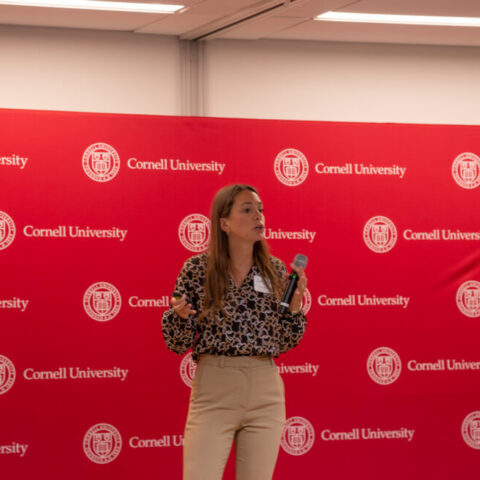
33 startups were accepted for the eLab student startup accelerator fall cohort, and 15 will advance to the spring cohort. These startups have made significant progress and identified a viable pathway to a scalable business. The student startups progressing to the spring semester have undergone intensive entrepreneurial training, including feasibility analyses, business model development, and mentorship from industry experts and Entrepreneurs in Residence (EIRs). “This spring, my goal with The Period Box is to move from insight to action, turning real conversations with women into launching a product that helps them discover period care that works for their life stage,” said Zoe Schulte, MBA ’26, founder of The Period Box. This personalized period care service delivers a curated box of menstrual products to customers’ doors. Throughout the fall, students attended boot camps and refined their business strategies, and even those who did not progress to the spring cohort received critical insights through workshops and one-on-one guidance from EIRs, helping them refine their ideas and explore new opportunities. “The eLab program is a fantastic place for our student founders to drive their businesses toward launch. The 15 teams we have in the program this term have put in countless hours meeting customers, refining business models, and validating the need for their businesses over the past 6 months. Now they get to turn their focus to enacting plans and resourcing their companies, so they are ready to conquer the world as they complete their eLab experience,” said Greg Ray, PhD ‘14, the Don & Margi Berens Professor of Entrepreneurship at the SC Johnson College of Business. The teams advancing to the spring semester will be dedicated to further developing their business models, expanding their networks, and positioning themselves for potential venture capital funding. There will be opportunities to present their ideas and progress to potential investors and the Cornell entrepreneurial network, including a West Coast event, “Cornell Silicon Valley: Student Startup Showcase,” from 5:30 to 8:30 p.m. PT on March 26 at the Autodesk Gallery in San Francisco. “These events are a great way for founders to share their businesses, get feedback, and continue refining their pitch. Just as importantly, they open the door to new connections that can help carry their businesses forward,” said Ken Rother, Instructor & Director Emeritus. eLab student entrepreneurs will also pitch their businesses on eLab Demo Day, Thursday, April 9, at 4:30 p.m. ET, during the Entrepreneurship at Cornell Celebration Ezra. Here are the students and startups taking part in the eLab spring semester: Arcoeur, Muhammad Hisham ’27 Arqen Labs, Jacob Michael Potoczak, MBA ’26 BUZZ, Melissa Chowdhury ’28 Cervicheck, George Zeng ’27, Charlotte Wu ’28, Sally Scofield ’27 GO2, Christopher A. Archer, MBA ’26 Heera, Gurkaran Ahuja MPS ’26 KATHA, Niko Tsavekou ’27 LifeQuest, Tyler Hein, MBA ’26 Lucra, Kate Barclay ’26, Sia Chitnis ’25, Trisha Saini ’26, Jesse Koppel ’26 MedSimAI, Yann Hicke, PhD ’27 MODE, Matthew Lew ’26, Andrew Chiu ’26, Kyle Chan ’27, Spenser Wu ’26 Novl, Orazio Petito ’27 PartumCare Now, Carmyn Polk, MBA ’26 RepaintWiz, Tanush Korgaokar, MPS ’25, Tomas Šiurna, MPS ’26, Kedar Mhetre, MEM ’26, Sarvadnya Mahajan, MEM ’26 The Period Box, Zoe Schulte, MBA ’26
February 25, 2026

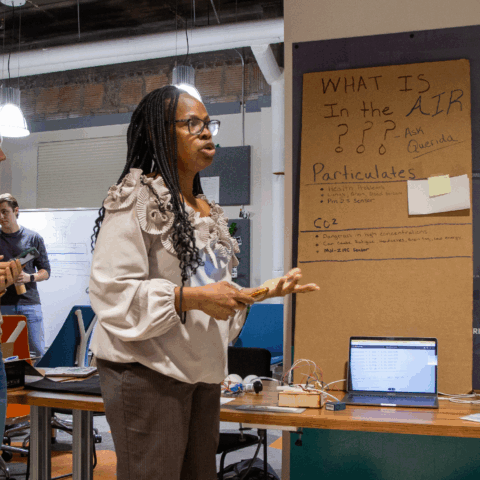
Rev: Ithaca Startup Works is excited to announce the 20 startups making up the sixth Manufacturing Hardware Accelerator cohort. The accelerator helps teams turn their advanced prototypes into manufactured products. Participants gain access to business mentorship, connections to local manufacturers, and introductions to investors. “This year’s teams include SBIR recipients, award winners, and teams with both open and closed funding rounds. We’re especially excited to launch our first official pitch competition for this group. With a $10K stipend and added engineering resources, this cohort benefits from a diverse range of resources,” said Deanna Kocher, Associate Director of Hardware Programs. Participants of the cohort will be able to enter the Manufacturing Pitch competition at the end of the accelerator. The finalist receives a six-month extension of Rev mentorship and engineering support, and a $10,000 stipend to further develop their product. Program leads will provide weekly sessions with periodic guest speakers throughout the 9‑month curriculum, covering topics from SBIR and funding to packaging, distribution, sales, and pitching, with one in‑person week of workshops and manufacturing site visits. The 2026 cohort consists of 20 teams that all fall into a focused track. These tracks include Classic, Climate Tech, and AgTech each offering insights from industry experts in their respective areas. The Classic Track is open to innovators in any field. Rev’s Classic Track provides manufacturing programming and mentorship across all industries. The 2026 cohort has 6 teams entering this track, including: AskQuerida: Querida Thomas Walker has developed a device that delivers clear information about indoor air quality while helping combat dust mites and clean the air. Little Oxford: Dr. Kelly Northridge has crafted heirloom‑quality fabric books of classic texts to give parents a way to share rich stories and vibrant language with their babies. Monty & Friends Literacy Club: Angela Becker has created reading toys that transform literacy through play‑based learning and meaningful, interactive experiences that build critical thinking. Motion X: The team led by Allan Zhou has created everyday wearable devices that let people seamlessly add dynamic art and content to their appearance while reducing waste from traditional merchandise. Photonect Corp: Co-founders Juniyali Nauriyal and Harshavardhan Vibhandik have developed PIX‑Attach, which uses a fast, glue‑free laser process to easily connect fibers to chips, cutting errors, speeding production, and lowering costs. Urban Bike Bench: Hiba Selznick has built a lightweight child seat that securely attaches to shared bikes, providing urban caregivers with a safe way to transport young children within flexible, one‑way bike-share systems. The AgTech track gives participants access to specialized industry programming and connected to experts and potential partners within the agriculture technology industry. The 2026 AgTech track has 7 teams, including:   Arden Ag: The team led by Ben Provan has developed a modular AI camera system that brings accessible, real‑time agricultural intelligence to existing machinery. City Greens Farms: Jen Levy and Susan Kimura have engineered a modular, energy‑efficient urban hydroponics system that brings fresh produce directly to communities while creating jobs and strengthening local supply chains. Cloud and Field: The team led by Gregory Everhart delivers accessible retrofit automation that upgrades existing tractors with practical autonomy, helping family farms save time, cut costs, and enhance productivity. Conduit: The team led by Andrew Wang, Ayush Agarwal and Kireeti Kompella have made a compact robot that autonomously installs and maintains drip irrigation lines and adaptable emitters, addressing water scarcity and the high cost and labor of traditional drip irrigation. Growcast: The team led by Ivan Podoroska has built a software platform that replaces the hand‑managed climate and watering routines common in greenhouses. Kingfisher AG: Co-founders Kevin Bett and Raphael Trudel have made a plug‑and‑play, AI‑automated aquaponics system that produces high‑quality protein and vegetables with 90% less water, offering a personal food infrastructure designed to counter costly, import‑dependent urban food systems Luya Tech: Francisco Wang has developed an AI‑powered microgreens system that automatically fine‑tunes light, climate, and nutrients, learning from each growth cycle to deliver nutrient-dense produce that addresses the widespread lack of accessible plant‑based nutrition. The MedTech track participants receive specialized mentorship and networking opportunities with potential partners in the MedTech sector. The 2026 cohort has 7 teams in the MedTech track, including:  CLYTE: Mojtaba Javid has pioneered a tool that standardizes and accelerates scratch assays by generating consistent wounds across multi‑well plates, saving researchers significant time and yielding higher‑quality data for wound‑healing research. Graiy: The team led by Prajwal Shetty has produced a wearable, multimodal sensor headset to capture precise, data‑driven indicators of concussion, giving NCAA programs a comprehensive view of key vitals and metrics to assist concussion assessments. Lemonaide: Sybil Berry has created adaptable, stylish medical‑grade canes with interchangeable components, offering a confidence‑boosting alternative for users of all ages who avoid traditional canes due to stigma. mPulse-02: Victor Ochoa-Gutierrez has designed a tool to accurately measure blood‑oxygen levels and reinvent pulse‑oximetry technology by detecting hidden hypoxia in patients with darker skin tones, addressing long‑standing gaps in medicine NuBiru: Nicole Levi has developed a two‑part tagging device designed to keep breast‑tissue markers securely in place, preventing shifting after insertion and simplifying cancer diagnoses for radiologists. RedEnvelope: Co-leads Danielle Nicklas and Dr. Corinna Torabi have created an on‑the‑go menstrual collection system that collapses, expands, and seals itself, offering a cleaner, more accessible alternative to traditional cups TailHeart Technologies: Kathy Le and Alexandra Tarzanin have engineered CanineClip, a minimally invasive heart implant designed to reduce mitral valve regurgitation in dogs, offering an accessible option for veterinarians and pet owners while improving and extending canine lives.   Follow Rev: Ithaca Startup Works on Instagram, Facebook, and LinkedIn to see the progress these teams make in the coming months.
February 4, 2026

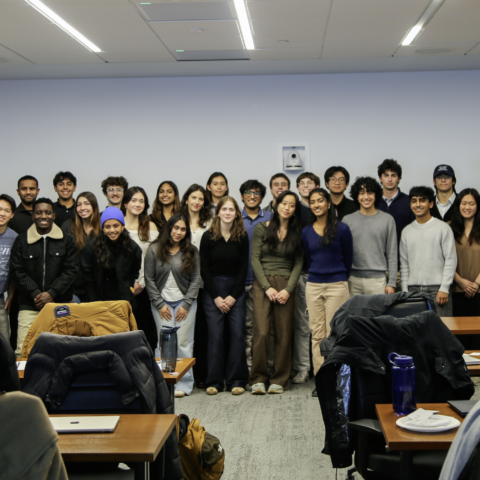
The Jiang Fellows program recently welcomed 27 students to its 2026 cohort in its second year of operation. This spring, fellows will sharpen their entrepreneurial skills while preparing for a fully funded summer internship at a startup of their choice.
November 19, 2025

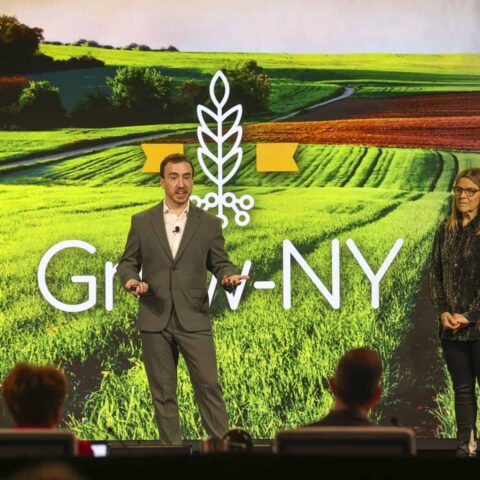
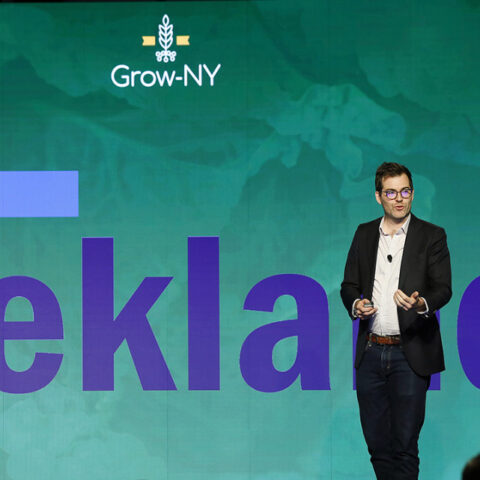
Brekland, a Brooklyn-based startup building a biodegradable foam coating for crop protection, was awarded the $1 million grand prize in the 2025 Grow-NY Food and Agriculture business competition. The company is among seven winners splitting a total of $3 million in prize money.

October 10, 2025

Grow-NY, the largest global food and agriculture business competition, will host its annual Food & Ag Summit on Wednesday, Nov. 12 and Thursday, Nov. 13 in Canandaigua, New York.
October 7, 2025

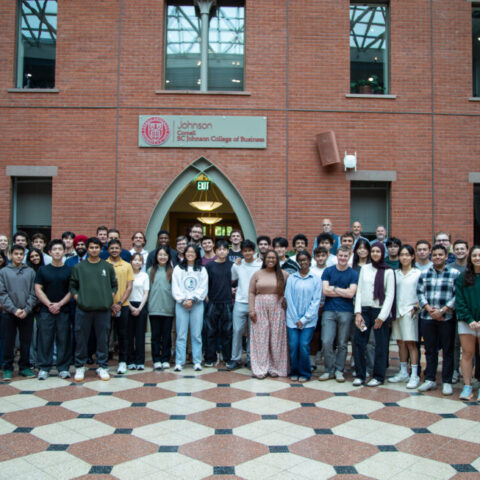
Cornell’s student startup accelerator, eLab, is proud to announce the 33 student teams selected for its Fall 2025 cohort!
September 23, 2025

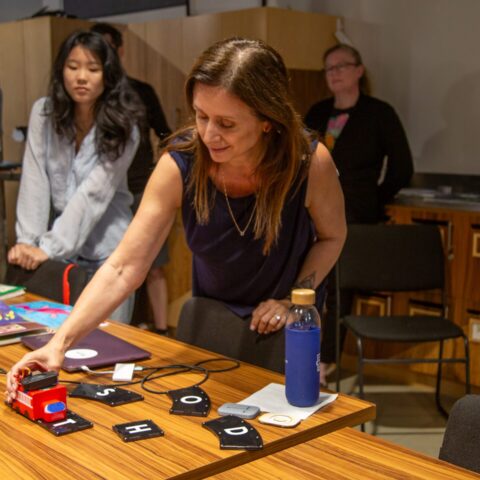
Consisting of 28 teams and over 50 individuals, this cohort brings together inventors and entrepreneurs from a wide variety of industries, from pet health to urban hydroponic agriculture.

September 22, 2025

Thirty-eight Cornell MBA students in the Samuel Curtis Johnson Graduate School of Management, together with PhD candidates from across Cornell University and postdoctoral fellows from the Memorial Sloan Kettering Cancer Center, have joined the fourth cohort of Cornell’s Life Sciences Technology Innovation Fellows program.

September 10, 2025

The 2025 Jiang Fellows are now back in Ithaca, NY, to share their experiences, tips, and favorite memories from their respective startup internships.